Code & execution.
I follow the execution path: control flow, data structures, asynchronous work, and the state each operation changes. Understanding behavior means connecting the code to what the runtime actually does.
SOFTWARE ENGINEERING / SYSTEMS / AGENTIC AI
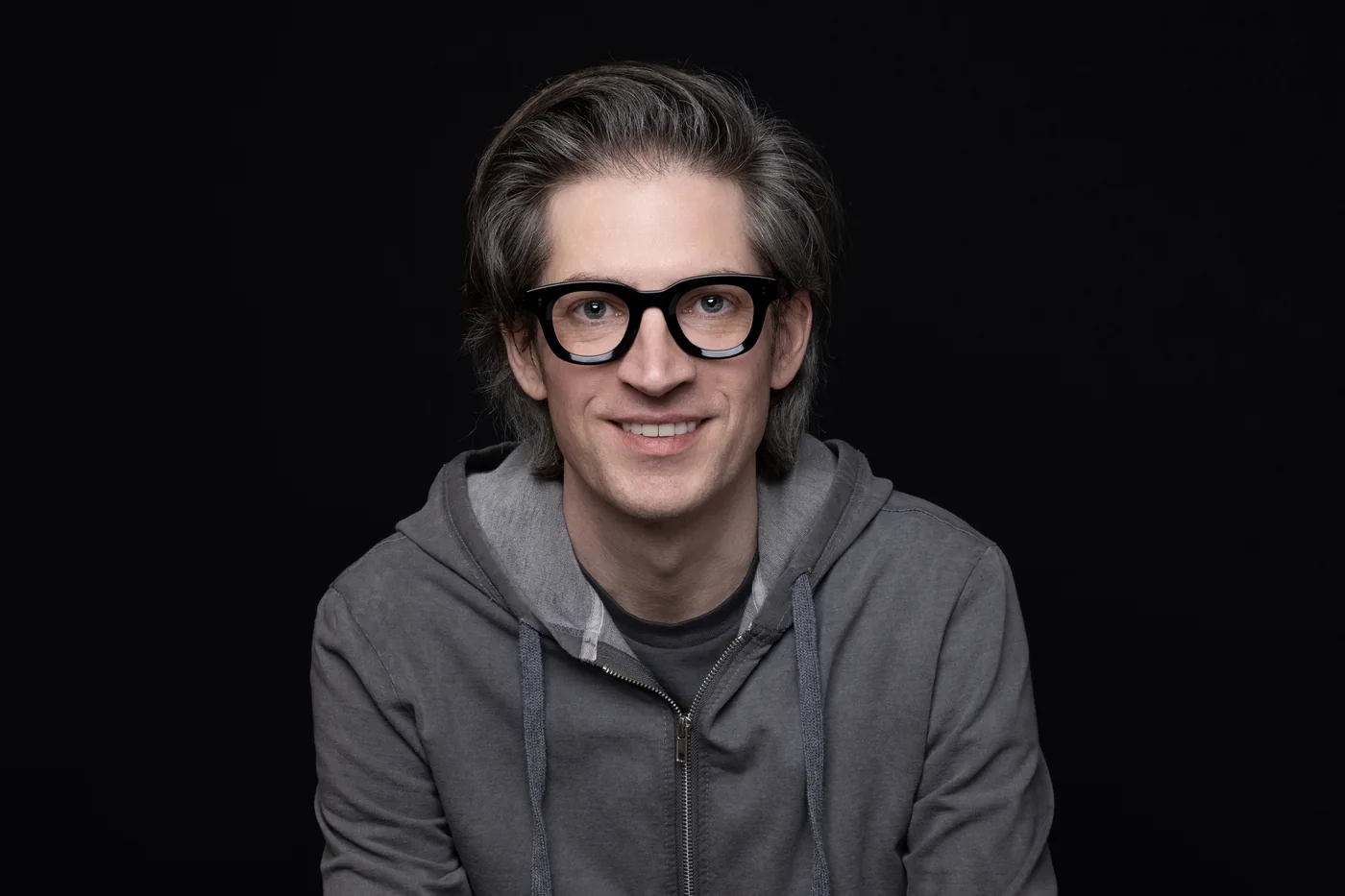
I'm Jake Miller. I understand software from the inside: how code executes, how data moves, how systems hold state, and where their assumptions break.
That understanding comes from more than two decades in software, including Journey Builder at ExactTarget and my time as Director of Engineering at Salesforce Marketing Cloud. It informs how I think, make, and work with technology.
CURRENT TECHNICAL WORK
My work at Zivis puts that perspective into practice with agentic AI: tracing how models, agents, tools, and data interact, and testing the boundaries between them.
Interfaces show what a system lets us do. The interesting questions are underneath: what executes, what gets stored, what crosses a boundary, and what happens when something fails.
I follow the execution path: control flow, data structures, asynchronous work, and the state each operation changes. Understanding behavior means connecting the code to what the runtime actually does.
Once work crosses processes or services, ordering and timing matter. I think about queues, retries, duplicate events, consistency, and what happens when one part of a system succeeds while another fails.
I trace agentic AI from a model's output through tool calls, memory, and orchestration. That means understanding how agents exchange context, delegate work, check permissions, and change system state—and how those interactions can fail.
Open-source implementations and experiments make that technical understanding inspectable: protocols, test vectors, and reproducible failure modes.
A family of open, cryptographically verifiable protocols for trust negotiation, delegation, and authorization in agentic AI systems. Hosts ZTIP, ZTNP, reference implementations, and test vectors.
Open the repoA deliberately vulnerable AI application for red-team training and security research. Covers RAG pipelines, embedding attacks, agent-tool misuse, and SSE hijacking.
Open the repoThe habits behind that technical depth.
I start with a concrete action and trace it through the code, process boundaries, and state changes. The implementation often reveals behavior that the architecture diagram leaves out.
What has to arrive in order? What can happen twice? Which component owns the state? I want to understand the conditions that make a system work, and what happens when they stop holding.
I use small examples, logs, traces, and repeatable tests to connect an explanation to observable behavior. A failure becomes useful when I can show how it happens.
A career spent close to the code, including systems at massive scale and the constraints of regulated industries. These experiences shaped my technical perspective.
Software Engineer → Director of Engineering
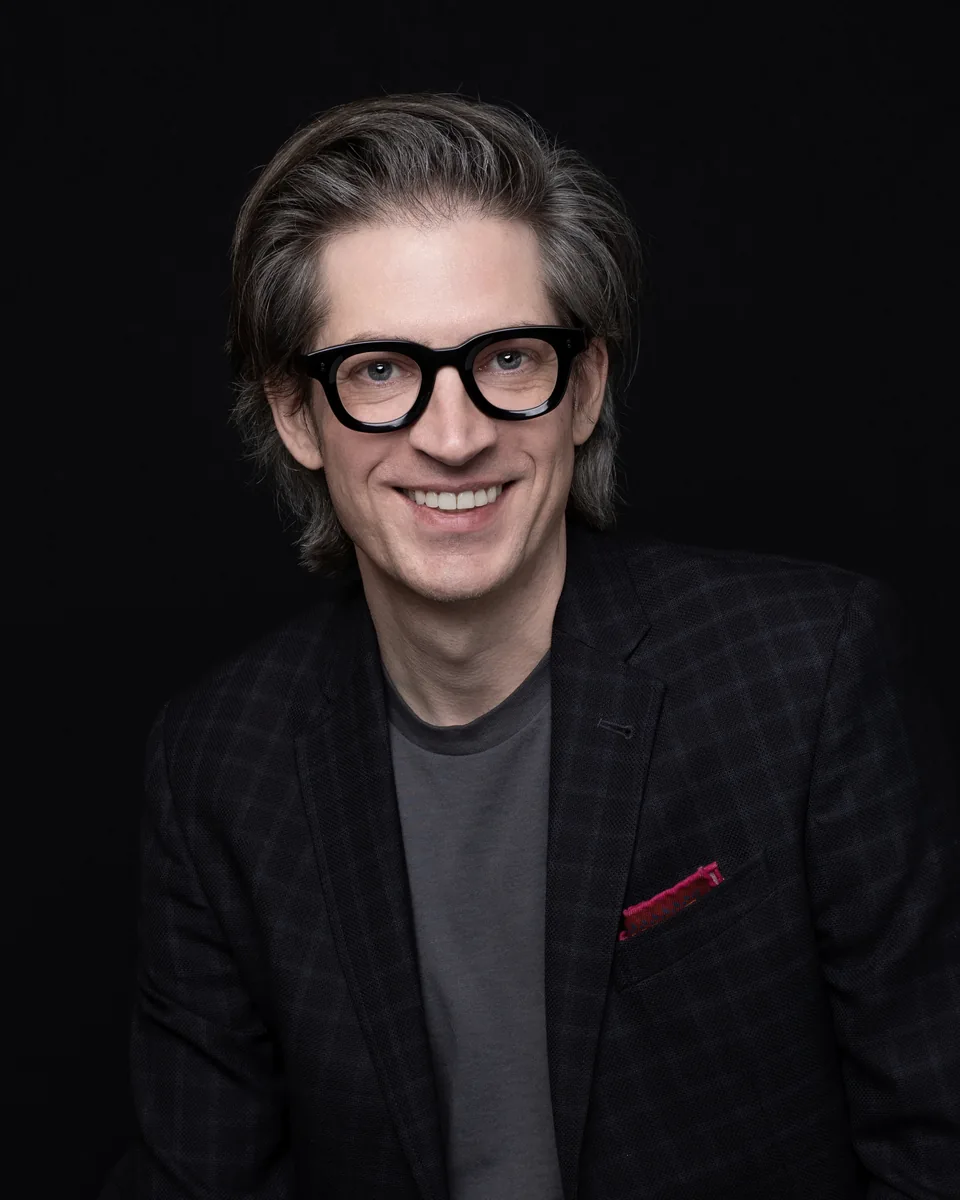
I began as an engineer on the early Journey Builder team at ExactTarget and later became a Director of Engineering within Salesforce Marketing Cloud. Building automation infrastructure used at enormous scale—often within highly regulated organizations—taught me to think deeply about system behavior, reliability, security, and the consequences of failure.
Co-founder & CTO
As co-founder and CTO of Metaimpact, I moved from building within a global enterprise to shaping a product company from the ground up. I led the technical vision while navigating the realities of turning an ambitious idea into a product, a platform, and a business.
Founder & CEO
I founded The Engineered Innovation Group to help organizations design and build complex digital products. Working across industries, architectures, and stages of growth gave me a broad view of how software actually succeeds—or breaks down—where application code, integrations, infrastructure, user behavior, and operational constraints meet.
Founder & CEO / AI Security and Assurance
Today, I lead ZIVIS, where I examine the mechanics of AI-powered systems across models, agents, tools, APIs, application code, and infrastructure. Our work focuses on how these systems behave, how they fail, and how organizations can produce meaningful evidence that they are operating as intended.
Across every chapter of my career, I’ve worked at the intersection of engineering, product, automation, and trust—from building enterprise journey orchestration at scale to investigating the behavior of modern AI systems. That experience allows me to see both the creative possibilities of technology and the systems required to make those possibilities real.
The same technical curiosity extends to identity, delegation, and trust between systems. These drafts explore the mechanics behind those boundaries.
A protocol foundation for verifiable identity in zero-trust systems, designed for a world where the principal making a request may be an agent, not a human.
Read the draftNetwork-layer primitives for zero-trust enforcement between services and autonomous workloads. Identity, policy, and posture, carried on the wire.
Read the draftWriting that makes the behavior of software and systems easier to understand.
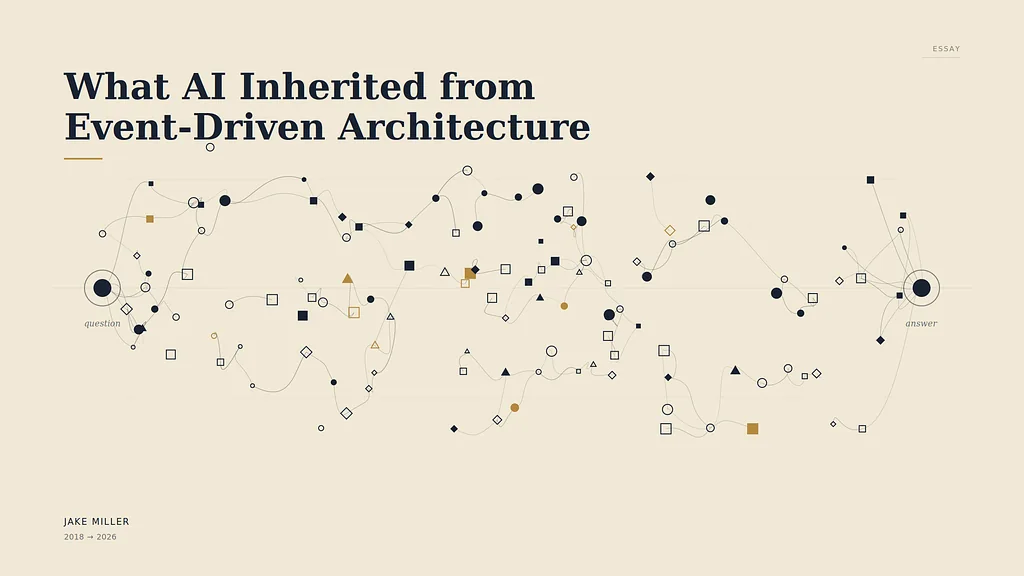
Revisiting the 2018 primer through the lens of agentic AI: what still holds, what's changed, and how event-driven patterns shape the systems agents will run on.
Read on MediumAn opinionated, security-first pattern library for AI systems: agents, retrieval, prompting, memory, and emerging approaches, each with threat analysis.
Open the libraryLong-form essays on architecture, AI security, and the engineering reality behind agentic systems.
Read on MediumTechnical talks and demos that explain the mechanics of AI security and agent systems: execution, interactions, trust boundaries, and failure modes.
Multi-agent attack surfaces and how locally valid steps assemble into globally exploitable chains.
A threat-model shift for security leaders running AI in production: where injection ends and emergence begins.
Identity and network-layer primitives for an internet where the principal making a request is an agent.
Alt: "How did the system come to believe this was the right thing to do?"
An investigative discipline for multi-agent systems: reconstructing how a swarm formed unsafe operational intent.
What boards need to ask differently when no one explicitly requested the unsafe action.
Every talk can be tailored. Different audiences get different depth, framing, and outcomes; same core insights.
Questions about something I've written, a protocol, or an open-source project? I'd like to hear them.
Or email jake@zivis.ai
THE TECHNICAL FOUNDATION / PINK STACK STUDIO
Pink Stack Studio is my solo practice for creative video and experience design. An understanding of code and systems helps me connect an idea to the technology that brings it to life.
I'm interested in what becomes possible when artistic judgment and a deep understanding of technology work together.
We can do more now.